
You eat a healthy diet, you try to get enough sleep, but you still struggle with a list of nagging symptoms. Unexplained fatigue, persistent brain fog, and unpredictable mood swings can be incredibly frustrating, especially when standard medical tests come back “normal.”
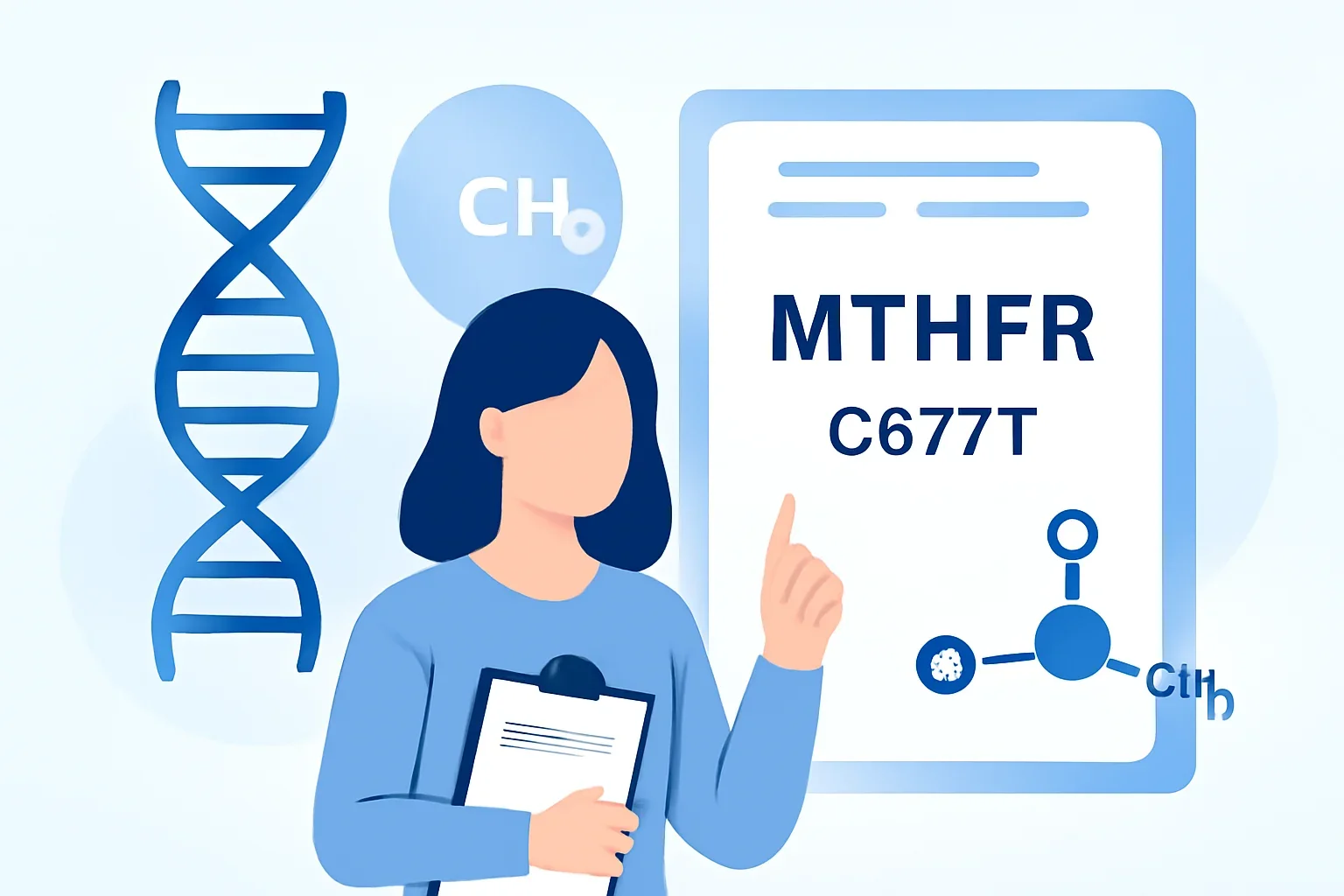
If this sounds like you, the root cause might not be in your lifestyle, but hidden within your genes. The culprit could be a process called poor methylation.

Before we dive into the symptoms, if you’re new to this topic, we highly recommend reading our foundational guide: “What is DNA Methylation?”.
Here are 10 common signs that your body’s methylation cycle might not be working optimally.
Common Symptoms of Poor Methylation
1. Chronic Fatigue and Low Energy
This is the most common sign. Methylation is essential for converting B vitamins into their active forms, which your cells use to create energy. If this conversion is inefficient, you can feel tired no matter how much you rest.
2. Brain Fog and Poor Focus
Methylation governs the production and breakdown of neurotransmitters like dopamine and serotonin. When this process is out of balance, it can directly impact your ability to concentrate, stay focused, and think clearly.
3. Mood Swings, Anxiety, or Depression
Because of its role in regulating neurotransmitters, poor methylation is strongly linked to mental health. An imbalance can contribute to everything from anxiety and irritability to more persistent depressive states.
4. Hormonal Imbalances
Methylation is crucial for your liver to properly process and detoxify hormones, especially estrogen. If this pathway is sluggish, it can lead to estrogen dominance, contributing to issues like PMS, heavy periods, and fibroids.
5. High Homocysteine Levels
Your doctor may have mentioned this on a blood test. Homocysteine is a compound that, when elevated, is a risk factor for cardiovascular disease. A primary job of the methylation cycle is to convert homocysteine into a harmless substance. High levels are a classic sign that this process is struggling.
6. Weakened Immune System
Do you feel like you’re always getting sick? Methylation is required to build and regulate key immune cells. Poor methylation can lead to both a weakened immune response and an overactive one, which is a factor in autoimmune conditions.

7. Histamine Intolerance
If you react strongly to high-histamine foods (like aged cheese, wine, or avocados) with symptoms like headaches, hives, or a stuffy nose, it could be a methylation issue. Methylation is one of the primary ways your body breaks down and gets rid of excess histamine.
8. Digestive Issues
The cells that line your gut have a very rapid turnover, a process that relies on healthy methylation. Poor methylation can impact gut health and contribute to issues like leaky gut.
9. Sleep Problems
Your body’s production of melatonin—the sleep hormone—is a methylation-dependent process. Difficulty falling asleep or staying asleep can sometimes be traced back to an inefficient methylation cycle.
10. Unexplained Weight Gain or Difficulty Losing Weight
While complex, there is a link. Does poor methylation cause weight gain? It can be a contributing factor. Because it impacts hormone balance (like estrogen and cortisol), cellular energy, and detoxification, a sluggish methylation cycle can make it much harder for your metabolism to function efficiently, leading to stubborn weight gain.
How Do You Know for Sure If You Have a Methylation Problem?

Recognizing yourself in the list above is the first step. However, these symptoms can be caused by many different factors. The only way to know for sure if a genetic weakness in your methylation pathway is the root cause is to test.
A genetic methylation test analyzes key genes like MTHFR to give you a definitive answer. It takes the guesswork out of the equation and provides a clear path forward.
Once you know your genetic predispositions, you can take targeted action. Our guide, “How to Fix Poor Methylation”, explores the powerful diet and lifestyle strategies you can use.
Stop Guessing and Start Knowing
If you’re tired of chasing symptoms, it’s time to look at the underlying cause. Understanding your unique genetic makeup is the key to finally feeling your best.
CTA Button (Large and centered): Order Your At-Home Test Kit Today →